Hedera
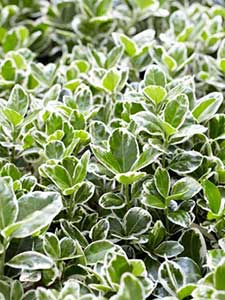
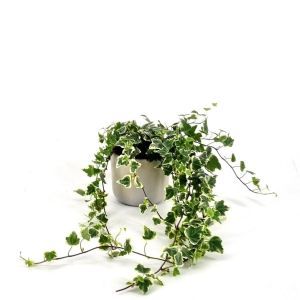 Ivy 'White Wonder' 13 cmHedera helix White Wonder£49.95Stock 6Enhance your space with the graceful Ivy 'White Wonder', a robust and versatile plant perfect for indoors and outdoors. Learn More
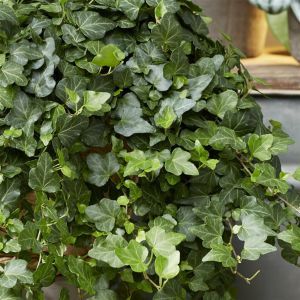 Ivy 'Wonder' 13 cmHedera helix WonderSpecial Price £39.95 Regular Price £49.95Stock 5Transform your garden with our Ivy 'Wonder' 13 cm, an evergreen climber known for its durability and charm. Learn More
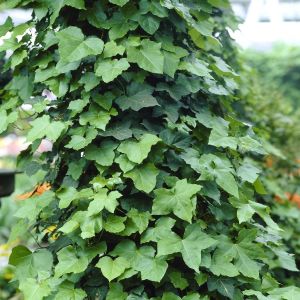 Ivy- Hedera HibernicaHedera HibernicaSpecial Price £4.95 Regular Price £6.25Stock 3Hedera Hibernica also known as the Irish Ivy, its a fast growing woody evergreen with dark green, tipped leaves which takes on a purple tinge in... Learn More
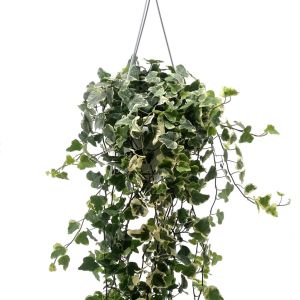 Hedera helix White Wonder hanging plantHedera helix White Wonder£39.95Out of stockOut of stockEnhance your space with the elegant White Wonder Ivy hanging plant from Gardens4you. Easy to care for and beautiful two-tone leaves. Learn More
 Hedera Hanging BasketHedera helix White Wonder£49.95Out of stockOut of stockAdd a touch of green to your garden with the Hedera helix Green hanging basket. This easy-to-grow, evergreen plant features lush green leaves and thrives in well-draining soil. Perfect for both sun and partial shade areas. Learn More
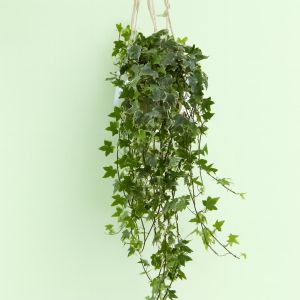 Hedera helix Esther hanging plant 19 cmHedera helix Esther hang basket£49.95Out of stockOut of stockAdd a touch of greenery with the Hedera helix Esther Hanging Plant from Gardens4you. Easy to grow, evergreen, and perfect for sun and partial shade. Learn More
 Hedera helix My Heart hanging basket 17 cmHedera helix Mein Herz hang basket£49.95Out of stockOut of stockAdd charm to your home with the Hedera helix My Heart hanging basket 17 cm from Gardens4you. Easy to grow, evergreen plant perfect for sunny and partially shaded areas. Learn More
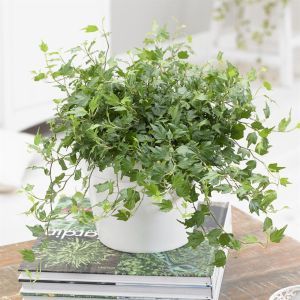 Hedera Helix Jessica 13 cm potHedera Helix Jessica£49.95Out of stockOut of stockExplore the lush, evergreen Ivy Jessica, perfect for both indoor and outdoor settings. Easy to care for, it's ideal for creating a natural green ambiance. Learn More
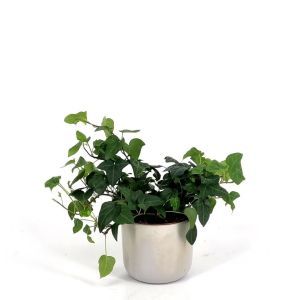 Common Ivy Mein HerzHedera helix Mein HerzSpecial Price £39.95 Regular Price £49.95Out of stockOut of stockEnhance your garden with the evergreen charm of Ivy 'Mein Herz'. Perfect for covering walls and fences with lush, green foliage all year round. Learn More
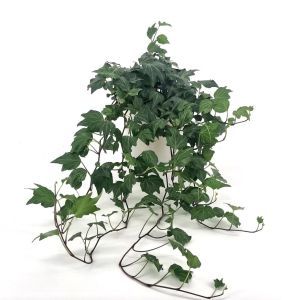 Icelandic Ivy Green Ripple PotHedera Helix Gold ChildSpecial Price £39.95 Regular Price £49.95Out of stockOut of stockGreen Ripple Ivy offers a unique, curvaceous foliage pattern that thrives in both indoor and outdoor settings. Its lush, dense growth makes it ideal for home and garden aesthetics. Learn More
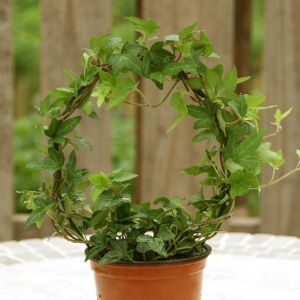 IvyHedera helix 'Shamrock' ringSpecial Price £7.15 Regular Price £8.50Out of stockOut of stockThis miniature evergreen Ivy has dark green, round tipped Shamrock shaped leaves. They are excellent for ground cover or use in shady parts of the gar Learn More
- Hedera HibernicaHedera Hibernica£3.50Out of stockOut of stockHedera Hibernica also known as the Irish Ivy, its a fast growing woody evergreen with dark green, tipped leaves which takes on a purple tinge in... Learn More
Grow Guarantee
Buy without worries, you have a two-month growth guarantee on all plants!

Hedera is commonly called ivy
Ivy is a genus of 12–15 species of evergreen climbing or ground-creeping woody plants in the Araliaceae family, native to Europe , north western Africa and across central-southern Asia east. The genus name comes from the Latin word meaning ivy and is primarily grown as a climbing vine or trailing ground plant and valued for its ability to thrive in shady places. On level ground they remain creeping, but on suitable surfaces for climbing, including trees and man-made structures, they can climb to at least 30 m above the ground.
Ivy plants are very popular grown for their evergreen foliage, attracting wildlife and their ability to adapt to many environments. Used for covering for fences, trellises or walls. Or as a Ground cover. Some smaller-leaved varieties are often used for topiary shapes, hanging baskets, or houseplants.
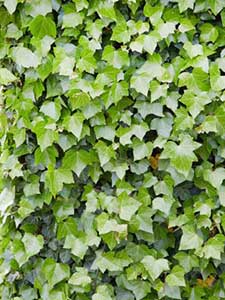
The species differ in detail of the leaf shape and size (particularly of the juvenile leaves). Leaves may be shaped like hearts, fans, or bird's feet, or they may be curly or the typical ivy, lobed form. Some are variegated and it’s quite common for them to take on a purple tinge in winter. The rich nectar flowers are greenish-yellow and are produced in autumn to early winter.
The fruit/berries are a greenish-black or dark purple, ripening in late winter to mid-spring. The seeds are dispersed by birds which eat the berries. Hedera tolerates a wide range of soils, but prefers rich loams. Hedera can be aggressive once established but Ground covers rarely need pruning except if they become untidy. No serious insect or disease problems.
Cultivars include Irish ivy (Hedera hibernica), Persian ivy (Hedera colchica), English ivy (Hedera Helix).